

Residential Electrical
EV Charger Installation in Vancouver, WA
Charge at home with EV charger installation in Vancouver planned around your vehicle, charger, parking location, panel capacity, and daily driving needs.
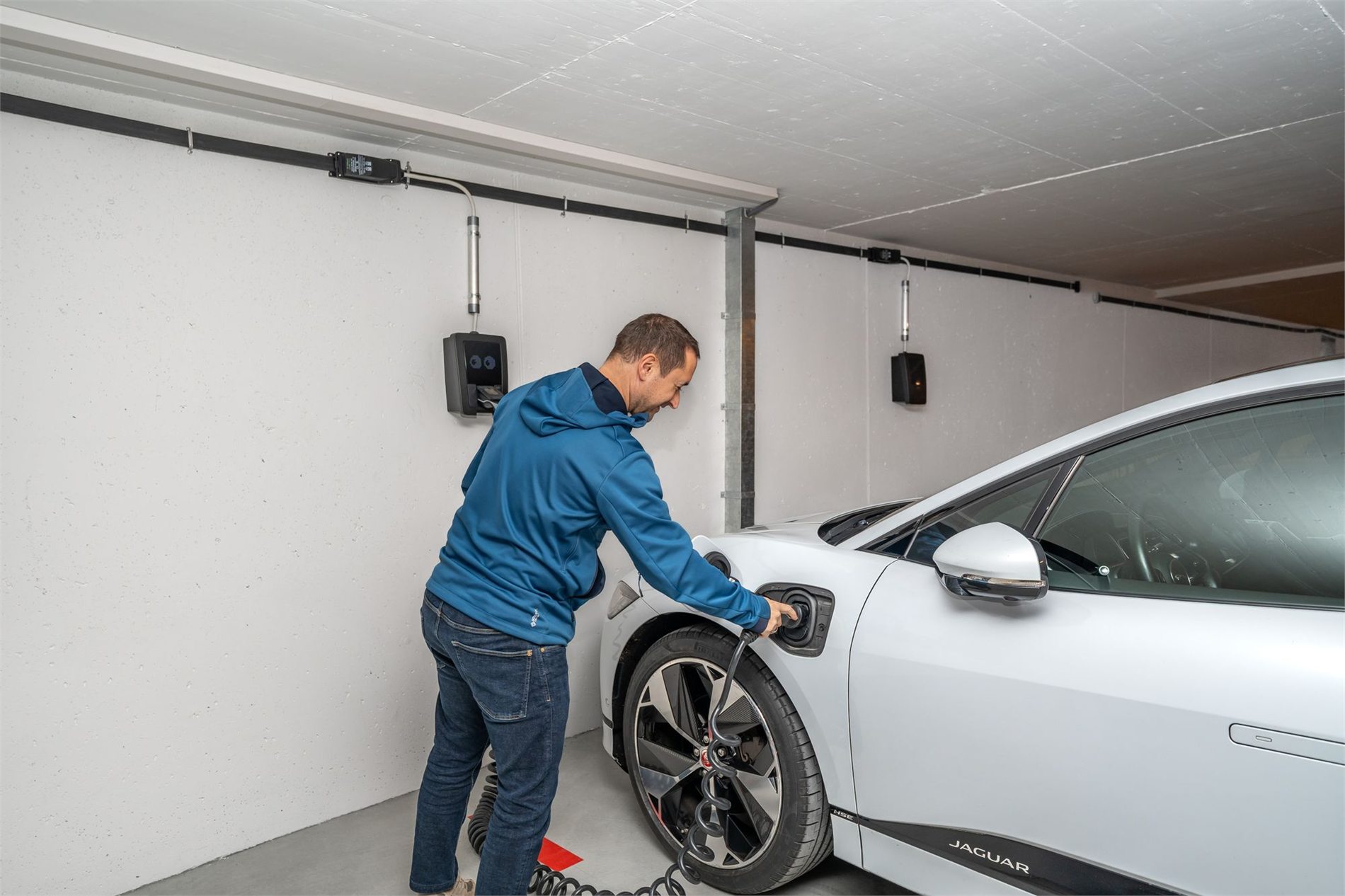
- Capacity FirstReview the panel, service, and other major home loads.
- Charging That FitsMatch circuit and charger choices to real driving needs.
- Practical PlacementPlan cable reach, parking, weather, protection, and access.
- Future-AwareConsider a second vehicle, electrification, or load management.
Home Charging Built Around Your Routine
The Right Charging Setup Is More Than an Outlet
Home charging choices range from lower-power receptacle charging to permanently connected Level 2 equipment. The right approach depends on the vehicle's onboard charging capability, miles driven, time available to charge, charger model, parking arrangement, electrical-panel capacity, utility programs, and other large loads in the home.
Blackout Electric reviews those factors before proposing EV charger installation in Vancouver. We evaluate the panel and service information, circuit size, pathway, mounting surface, cord reach, indoor or outdoor exposure, impact protection, network features, manufacturer instructions, and whether load-management equipment or broader panel work should be considered.
- Hardwired and qualifying receptacle-based home charging circuits
- Panel capacity, breaker space, service, and major-load review
- Garage, carport, driveway, and suitable outdoor placement planning
- Load-management and future charging considerations where appropriate
- Charger replacement, relocation, new construction, and home upgrades
Make Charging Fit The Home
Why Capacity and Placement Matter
The largest available charging circuit is not necessary for every driver, and it may not be practical for every electrical service. A thoughtfully selected charging rate can replenish typical daily use while respecting the home's capacity and other planned electrification projects.
Good EV charger installation also places the equipment where the cord reaches without creating an avoidable trip, vehicle, door, or weather conflict.
Home Charging Project Steps
From Vehicle Needs to Ready-to-Charge
- 01Share Details
Provide the vehicle, charger, parking position, driving pattern, panel photos, address, and future electrical plans.
- 02Review Capacity
Evaluate the proposed load, breaker space, service information, pathway, mounting, exposure, and equipment options.
- 03Install
Complete the approved circuit, protection, mounting, connection, labeling, and related panel work in scope.
- 04Power Up
Perform applicable checks and help confirm the charger's basic setup and connection to the vehicle.
Home Charging Questions
EV Charger Installation FAQs
Vehicle and charger specifications are only part of the decision. The home's available capacity, circuit route, parking location, and future loads shape the final plan.
What charging speed do I need at home?
Start with daily miles, the vehicle's efficiency and onboard charging limit, and the hours normally available for charging. Many drivers do not need the charger's maximum possible circuit. Matching charging power to actual use can simplify capacity planning while still restoring routine driving range overnight.
Does my home need a panel upgrade for an EV charger?
Not always. The answer depends on service and panel capacity, existing loads, breaker space, desired charging rate, and whether approved load-management options fit the project. A capacity review should happen before assuming either that a panel upgrade is required or that the largest circuit can be added.
Is a hardwired charger better than a plug-in charger?
Both can be appropriate when installed and used as intended. Hardwiring can simplify some high-power or outdoor installations, while a receptacle may support removable equipment but adds device and installation requirements. Charger instructions, circuit rating, location, local rules, and homeowner preferences guide the choice.
Can the charger be installed outdoors or far from the panel?
Qualifying equipment can be installed outdoors when its rating, mounting, connection, pathway, and protection suit the location. A longer or difficult route can affect conductor size, installation method, surface work, and cost. Photos and measurements help, but a site review may be needed to confirm the route.
How do I request home charging work?
Send Blackout Electric the property address, vehicle and charger models, panel and meter photos, desired parking location, approximate route, and any future electrification plans. We provide EV charger installation in Vancouver, Clark County, and nearby Southwest Washington communities after reviewing project fit and capacity needs.
Make Home Charging Routine
Start With a Capacity and Placement Review
Share your vehicle, charger, panel photos, parking position, and driving needs. We will help define a practical EV charger installation in Vancouver for your home.