

Industrial & Commercial
Commercial Surge Protection in Vancouver, WA
Protect panels, controls, communications, and valuable equipment with layered surge protection for commercial and industrial facilities in Vancouver and Clark County.
- Protect Critical EquipmentReduce exposure from damaging transient voltages.
- Support ContinuityLimit avoidable disruption to connected facility systems.
- Layered ProtectionCoordinate service, distribution, and equipment-level devices.
- Facility ExpertisePlan around commercial loads, controls, and infrastructure.
Reliable Protection For What Matters
Custom Surge Protection for Facility Systems
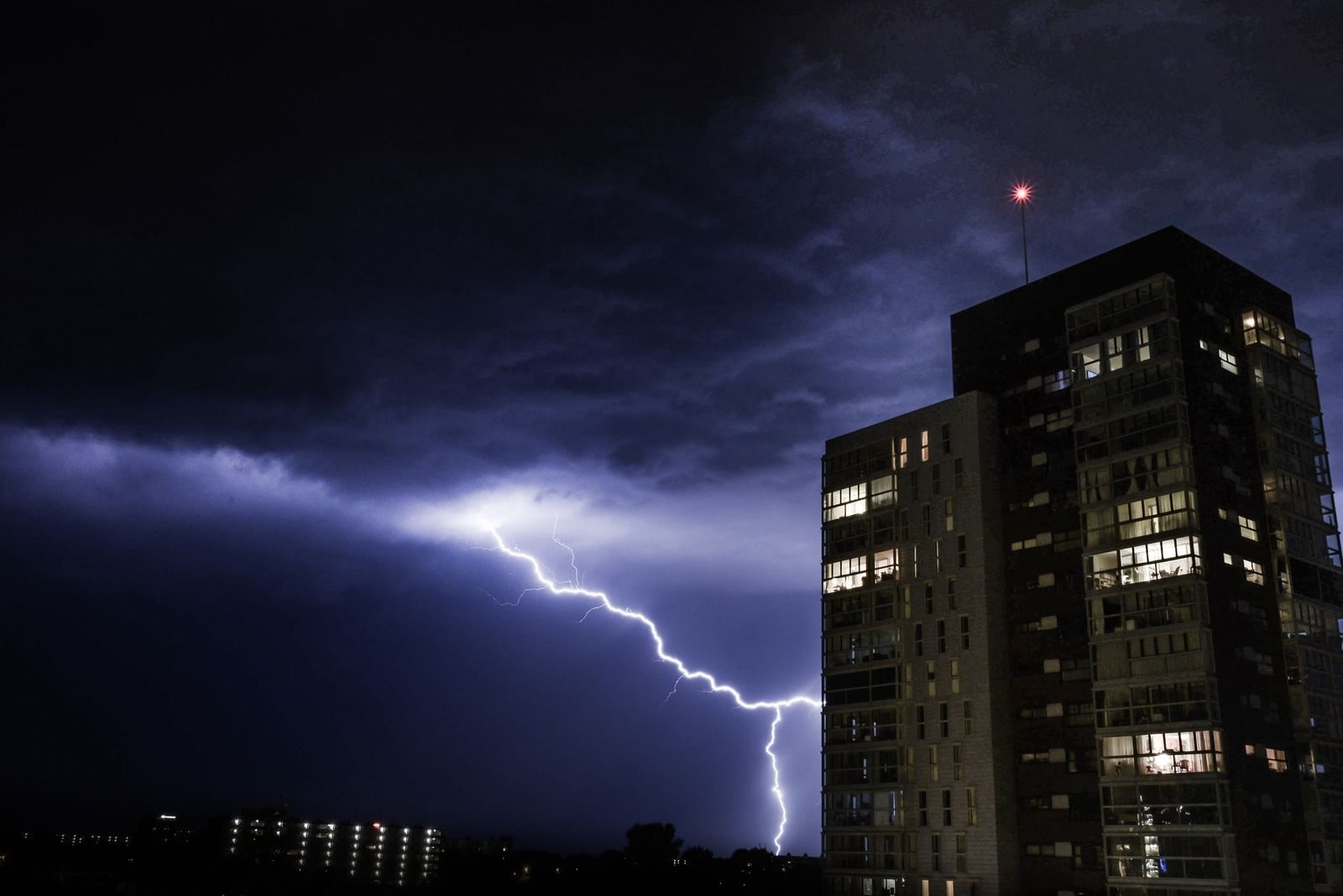
Voltage surges can originate outside a property or inside it when large loads switch, equipment operates, or electrical faults occur. Lightning can also introduce energy through power, communications, and other conductive paths. Effective surge protection uses coordinated devices, grounding and bonding, and installation practices suited to the facility's actual electrical system.
Blackout Electric reviews service equipment, distribution panels, sensitive loads, available installation points, equipment ratings, and the broader grounding system. From that review, we can define a commercial surge protection scope for offices, retail properties, multifamily buildings, warehouses, industrial facilities, and other Clark County sites.
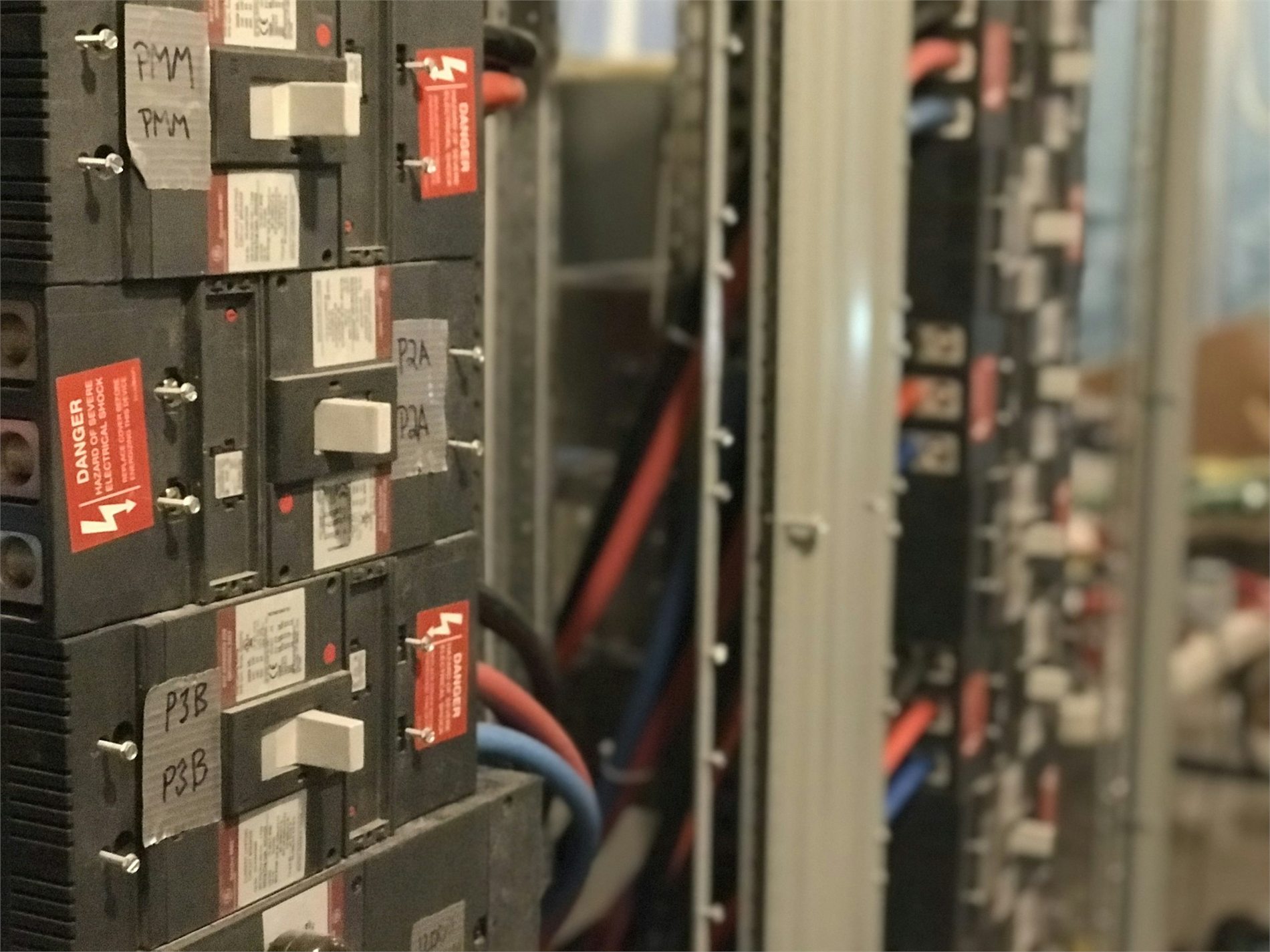
- Service-entrance and distribution-panel surge protective devices
- Protection strategies for controls, machinery, HVAC, and electronics
- Review of grounding, bonding, conductor routing, and installation location
- Coordination with lightning-protection and communications specialists where needed
- New construction, facility upgrades, replacements, and equipment additions
Built For Long-Term Reliability
Why Surge & Lightning Protection Matters
A short transient event can stress or damage equipment that a conventional breaker is not designed to protect from voltage spikes. Sensitive electronics, drives, controllers, networked systems, and building equipment may be especially important to day-to-day operations.
Layered transient protection does not eliminate every electrical risk, but a properly selected and installed approach can reduce exposure and complement grounding, bonding, maintenance, and other facility-protection measures.
Our Protection Process
A Simple, Site-Informed Approach
- 01Assess
Review the service, distribution, sensitive equipment, existing devices, grounding, site exposure, and priorities.
- 02Design Scope
Select appropriate protection locations and ratings with required engineering or specialist input identified.
- 03Install
Mount and connect approved devices using conductor routing and installation practices suited to the equipment.
- 04Verify
Confirm indications, labeling, documentation, and owner awareness of inspection or replacement considerations.
Protection Planning Questions
Electrical Protection FAQs
No single device can prevent every form of electrical damage. A layered review helps match protection to the facility, equipment, and pathways where transient energy may enter.
What is the difference between transient and lightning protection?
Surge protective devices limit transient voltages on connected electrical circuits. A complete lightning-protection system may also use air terminals, conductors, bonding, and grounding designed by qualified specialists to manage direct-strike energy. The systems can complement each other, but one should not automatically be treated as a substitute for the other.
Where are surge protective devices installed in a commercial building?
Devices may be installed at service equipment, distribution panels, branch panels, or near selected loads as part of a coordinated approach. Available fault-current ratings, system voltage, configuration, equipment listing, conductor length, enclosure needs, and manufacturer instructions all influence the correct device and location.
Will protective devices prevent all equipment damage?
No. They can reduce transient-voltage exposure, but cannot eliminate every event or correct unrelated issues such as sustained overvoltage, wiring faults, equipment defects, water damage, or direct lightning effects beyond the system's design. Layering, grounding, maintenance, and proper equipment installation remain important.
How often should protective devices be inspected?
Follow the device manufacturer's instructions and the facility's electrical-maintenance program. Many devices have status indicators or monitoring contacts, and some may require replacement after they reach end of life or lose protective capacity. Facility staff should know where devices are located, what normal indication looks like, and who receives a remote alarm if monitoring contacts are connected.
Can electrical protection be added to an existing Vancouver facility?
Often it can, subject to equipment compatibility, space, ratings, access, shutdown requirements, and installation conditions. Blackout Electric can evaluate transient-voltage protection in Vancouver and across Clark County, then outline a practical retrofit scope for suitable panels and critical loads.
Protect Your Facility
Request a Professional Protection Review
Do not wait for a damaging transient to reveal an unprotected system. Contact Blackout Electric to evaluate layered transient-voltage protection for your commercial or industrial facility.