

Industrial & Commercial
Directional Boring in Vancouver, WA
Install underground electrical pathways with less open-cut surface disruption through directional boring in Vancouver, Clark County, and surrounding project areas.
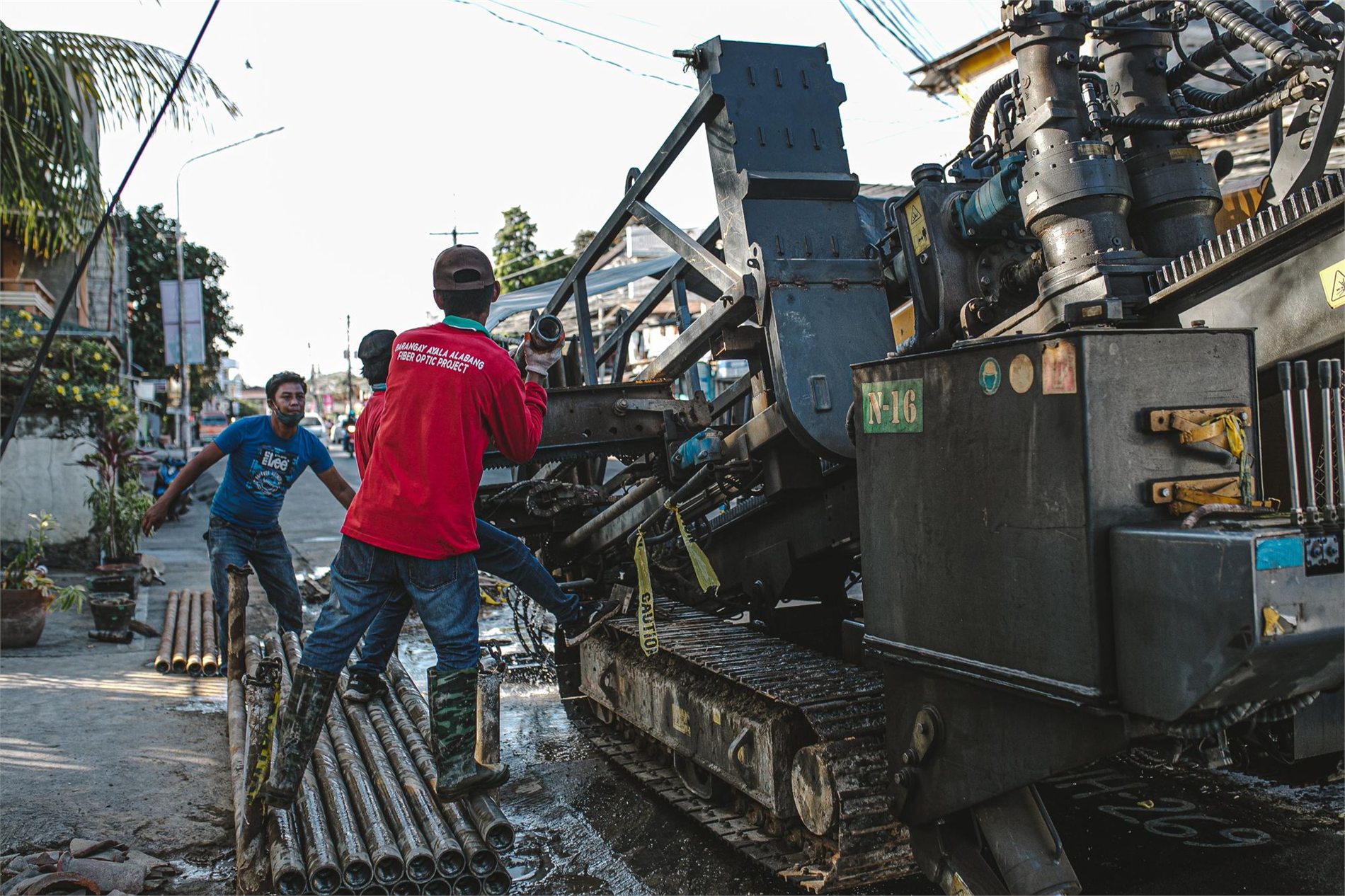
- Reduced Surface ImpactCross selected areas without opening the entire route.
- Site CoordinationPlan around utilities, access, bore pits, and restoration limits.
- Electrical IntegrationConnect underground pathways to the wider power scope.
- Commercial CapabilitySupport developments, facilities, lighting, and site infrastructure.
A Focused Underground Method
Build Electrical Pathways Beneath Existing Surfaces
Directional boring creates a guided underground path between planned entry and exit areas. For suitable routes, it can place conduit beneath pavement, drive lanes, landscaped areas, or other surfaces without excavating an open trench across the full distance. It is one option within a larger underground electrical plan, not a universal replacement for trenching.
Blackout Electric coordinates the bore with conduit requirements, utility locating, site access, bore geometry, pull considerations, vaults or handholes, connection points, and restoration boundaries. The method is selected only after the route, soil assumptions, existing utilities, and project constraints have been reviewed.
- Underground conduit pathways for power and site-lighting projects
- Crossings beneath selected pavement, drives, and landscaped areas
- Entry and exit pit, conduit, pull-point, and connection coordination
- Integration with trenching, excavation, vaults, handholes, and equipment pads
- Commercial, industrial, multifamily, and development site applications
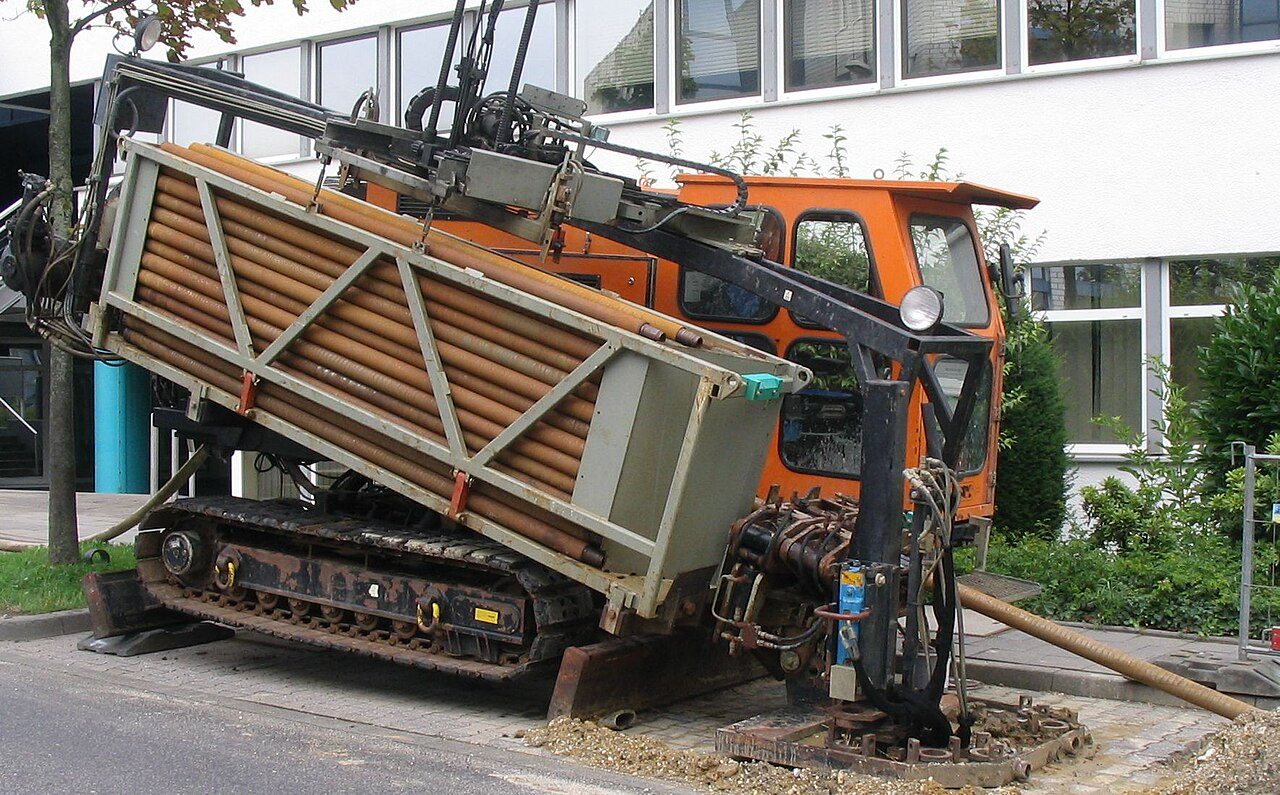
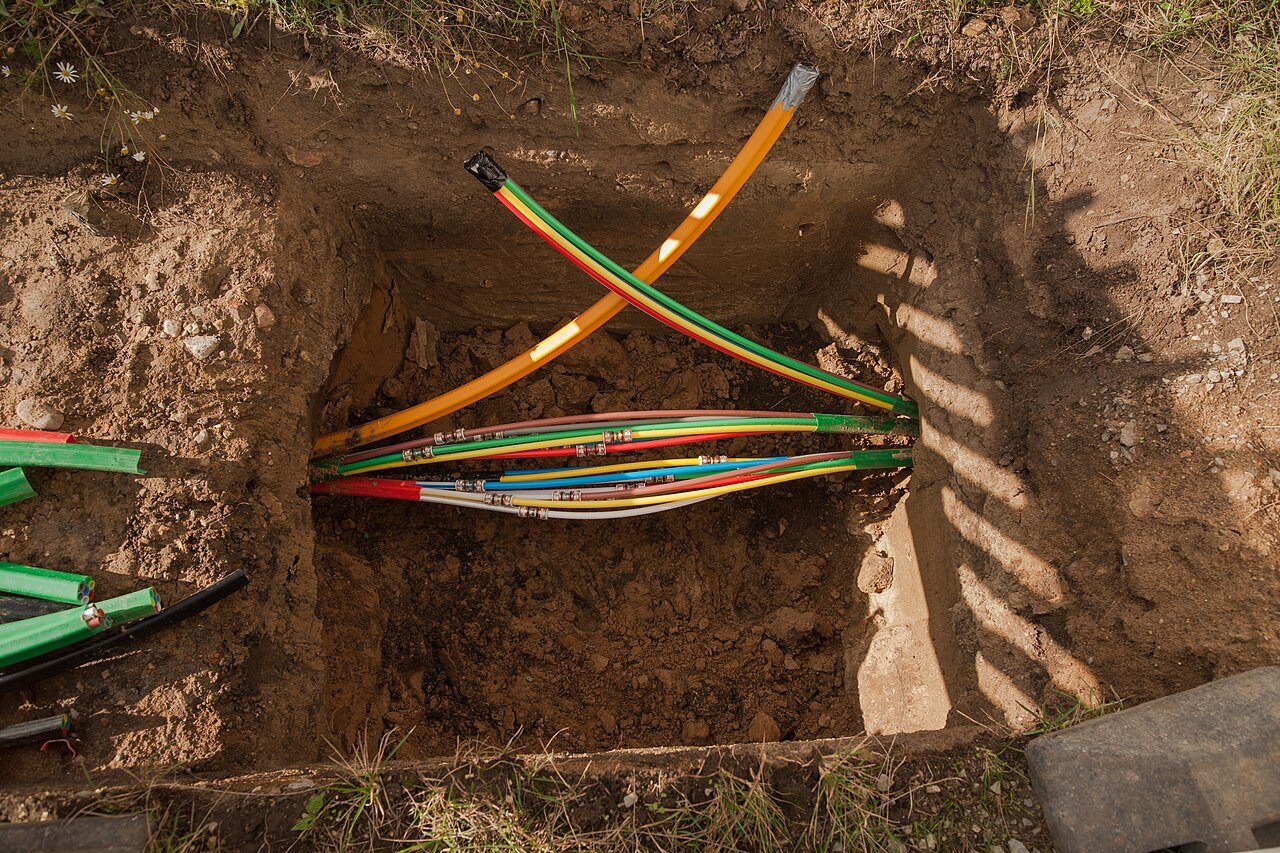
Choose The Method To Fit The Site
Why Bore Planning Matters
A successful bore depends on more than the distance between two points. Known and marked utilities, allowable depth, bend radius, soil conditions, grade changes, equipment setup space, traffic and pedestrian controls, and the planned use of the pathway can all affect feasibility.
Careful bore planning helps the project team compare surface disruption with constructability and define where open excavation is still required.
Underground Work Sequence
A Site-Informed Boring Process
- 01Review Route
Evaluate plans, surface conditions, endpoints, access, conduit needs, and the intended electrical system.
- 02Locate & Plan
Coordinate utility locating, route assumptions, setup areas, bore profile, pits, controls, and required approvals.
- 03Bore & Place
Create the guided path and install the specified conduit using methods appropriate to verified field conditions.
- 04Connect & Restore
Complete related pathway work, verify readiness for conductors, and address contracted surface restoration.
Underground Construction Questions
Underground Boring FAQs
Feasibility is specific to the route. Plans, utility information, soil and surface conditions, conduit requirements, and access all help determine the right construction method. Mark the desired endpoints and identify surfaces that must remain in service so the team can evaluate setup space, traffic controls, restoration expectations, and alternate alignments.
When is a bore a good fit for electrical work?
It can be useful when an underground pathway must cross a surface the project would prefer not to open continuously, such as a drive aisle, paved area, or established landscape. Suitability still depends on route length, depth, soil, existing utilities, setup space, conduit requirements, and endpoint access.
Does a bore eliminate all excavation?
No. Directional boring usually requires entry and exit areas, and the wider electrical scope may still need trenches, handholes, vaults, pads, or excavations at connection points. The advantage is that a suitable segment can be crossed without an open trench along the entire bore path.
How are existing utilities addressed before boring?
Utility-locate procedures and available records are important starting points, but field conditions can require additional investigation and project-specific precautions. The responsible parties, tolerances, potholing or exposure needs, route approvals, and site controls should be established before work proceeds near existing infrastructure.
Can boring install any size or number of conduits?
No. Conduit size, quantity, material, bundle configuration, bend radius, pullback forces, bore length, ground conditions, and equipment capability all influence feasibility. We review the electrical pathway requirements and route conditions before confirming an approach for a specific project.
Where is underground boring available?
Blackout Electric evaluates directional boring in Vancouver, Clark County, and surrounding Southwest Washington for qualifying commercial, industrial, multifamily, and development work. Send the site plan, desired endpoints, conduit requirements, surface type, known utility information, and schedule for review.
Evaluate The Underground Route
Discuss Your Bore and Electrical Scope
Share the site plan, pathway endpoints, conduit needs, surface conditions, and known utilities. We will review whether a bore belongs in the project's underground electrical approach.