

Industrial & Commercial
Electrical Trenching in Vancouver, WA
Coordinate underground pathways, conduit, and site electrical infrastructure with electrical trenching for Vancouver, Clark County, and Southwest Washington projects.
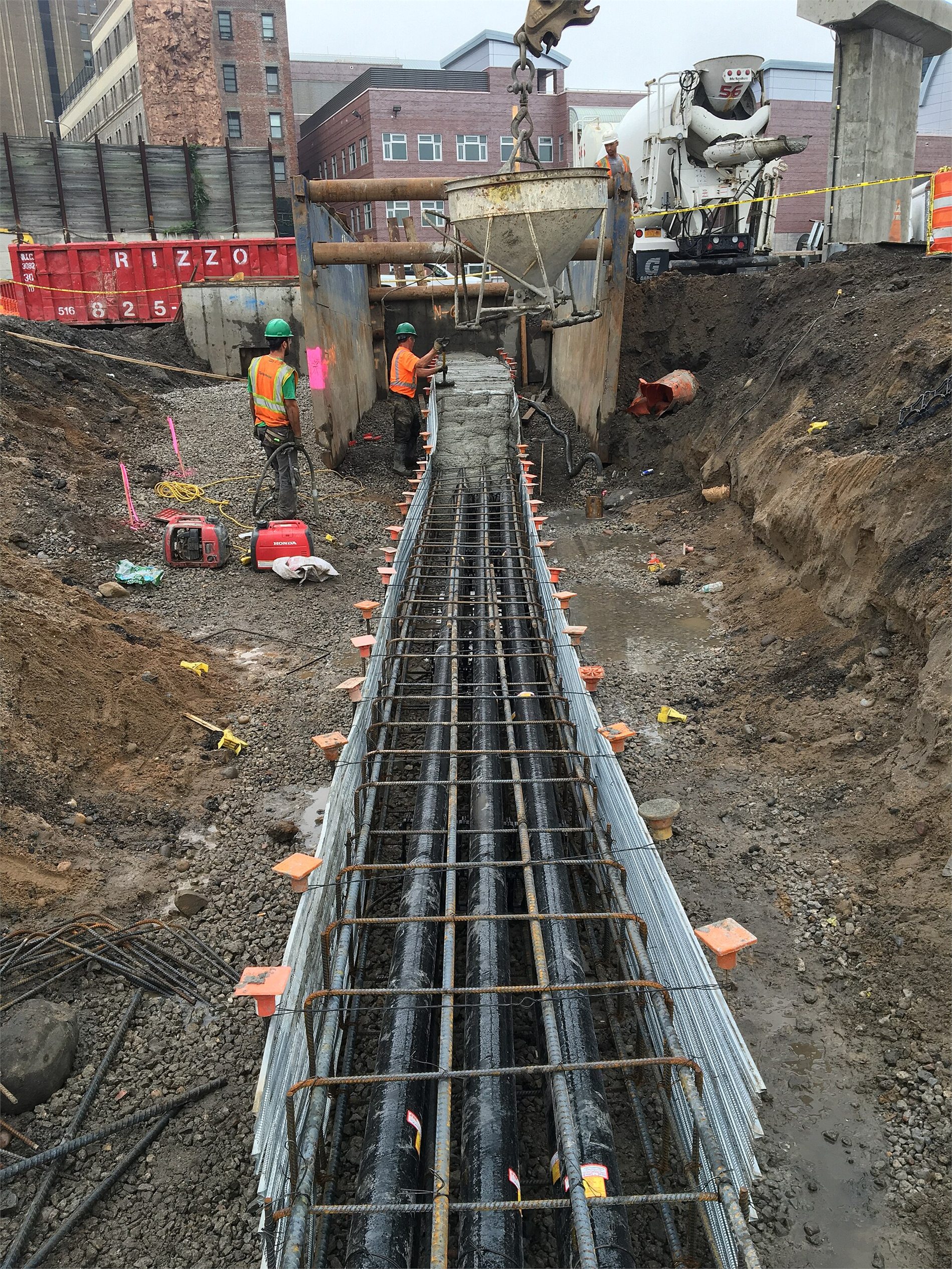
- Electrical IntegrationPlan excavation together with conduit and connected systems.
- Route CoordinationAccount for utilities, grade, access, and site improvements.
- Project SequencingAlign underground work with civil, concrete, paving, and inspections.
- Commercial CapacitySupport facilities, developments, lighting, and equipment power.
Underground Infrastructure Starts With The Route
Excavation Planned for the Electrical System
Electrical trenching creates the route for underground power, lighting, controls, communications pathways, and site infrastructure. Trench depth and width, conduit arrangement, separation, bedding, warning identification, pull points, grounding, cover, compaction, and restoration all depend on the approved design and the conditions found on site.
Blackout Electric coordinates excavation with the wiring and conduit work that follows. We review plans, known utilities, grades, surface conditions, access, spoil handling, inspections, civil interfaces, and connection points so the underground pathway is prepared for its intended conductors and equipment rather than treated as an isolated hole in the ground.
- Underground pathways for services, feeders, lighting, controls, and equipment
- Conduit banks, sleeves, handholes, vault interfaces, and stub-up locations
- Commercial sites, industrial facilities, multifamily, and development projects
- Coordination with utility locating, civil work, inspections, and site schedules
- Backfill, compaction, and contracted restoration requirements defined by scope
Get The Underground Work Right Once
Why Trench Coordination Matters
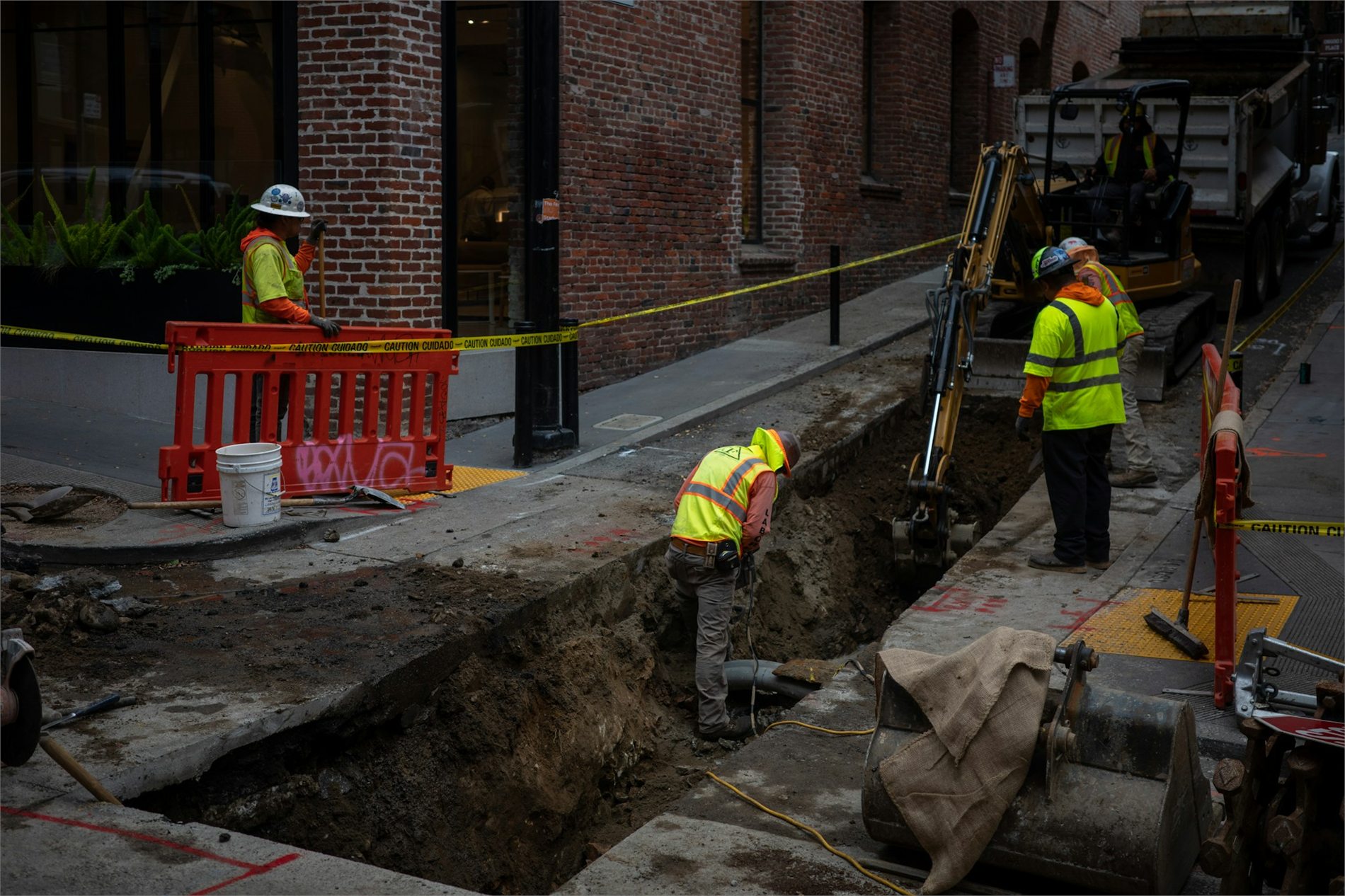
Underground work becomes difficult and expensive to revisit after paving, concrete, landscaping, or buildings are complete. A missed crossing, incorrect elevation, damaged conduit, or poorly located stub-up can affect several trades and delay later electrical work.
Well-planned underground electrical work connects civil conditions, code requirements, conductor-pulling needs, and final equipment locations before the route is covered.
Underground Project Sequence
A Coordinated Trenching Workflow
- 01Map The Scope
Review civil and electrical plans, endpoints, elevations, conduit schedules, surfaces, utilities, and responsibilities.
- 02Prepare The Site
Coordinate locating, approvals, access, staging, protection measures, inspection timing, and excavation limits.
- 03Excavate & Install
Open the route and place specified electrical pathways, fittings, pull points, and identification in sequence.
- 04Inspect & Close
Complete required checks before covering, then backfill and address compaction or restoration within scope.
Underground Electrical Questions
Underground Electrical FAQs
Every route is different. Final methods depend on the approved plans, existing utilities, soil and groundwater conditions, site access, surfaces, permitting, inspections, and restoration requirements. Clarify work-hour restrictions, haul routes, staging limits, and which party will provide survey control before excavation is scheduled.
How deep does an electrical trench need to be?
Required cover varies with wiring method, circuit type and voltage, surface condition, location, and applicable code or project specifications. The excavation may need additional depth for conduit diameter, bedding, crossings, or grade. We follow the approved design and applicable requirements rather than using one depth for every route.
Who is responsible for locating existing utilities?
Public utility-locate procedures are an important step, but private utilities and incomplete records may require additional project-specific investigation. Responsibilities for locating, potholing, exposing crossings, tolerances, and protecting existing infrastructure should be assigned before excavation. Markings do not remove the need for careful field practices.
Does your scope include conduit and backfill?
It can. Electrical trenching may be packaged with conduit, pull points, warning identification, grounding components, bedding, backfill, and restoration, or some tasks may belong to a civil contractor. Blackout Electric reviews the contract documents and defines inclusions and exclusions clearly in the project proposal.
When is directional boring preferable to open trenching?
Boring can reduce continuous surface disturbance across a suitable paved or landscaped crossing, while open trenching may provide more direct access for complex routes, multiple conduits, grade control, or exposed utility coordination. Many projects use both methods. Feasibility depends on soil, utilities, depth, access, and system requirements.
Where is underground electrical excavation available in Vancouver?
Blackout Electric evaluates electrical trenching in Vancouver, Clark County, and surrounding Southwest Washington for commercial, industrial, multifamily, and development projects. Send the civil and electrical plans, route dimensions, conduit schedule, known utilities, surface conditions, and construction timeline for review.
Plan Before You Break Ground
Send Us Your Underground Electrical Scope
Share the site plans, conduit requirements, endpoints, surfaces, known utilities, and project schedule. We will review the excavation and connected installation as one coordinated scope.