

Industrial & Commercial
Commercial Power Distribution Systems in Vancouver, WA
Plan reliable pathways from service to load with power distribution systems for commercial and industrial facilities in Vancouver and Southwest Washington.
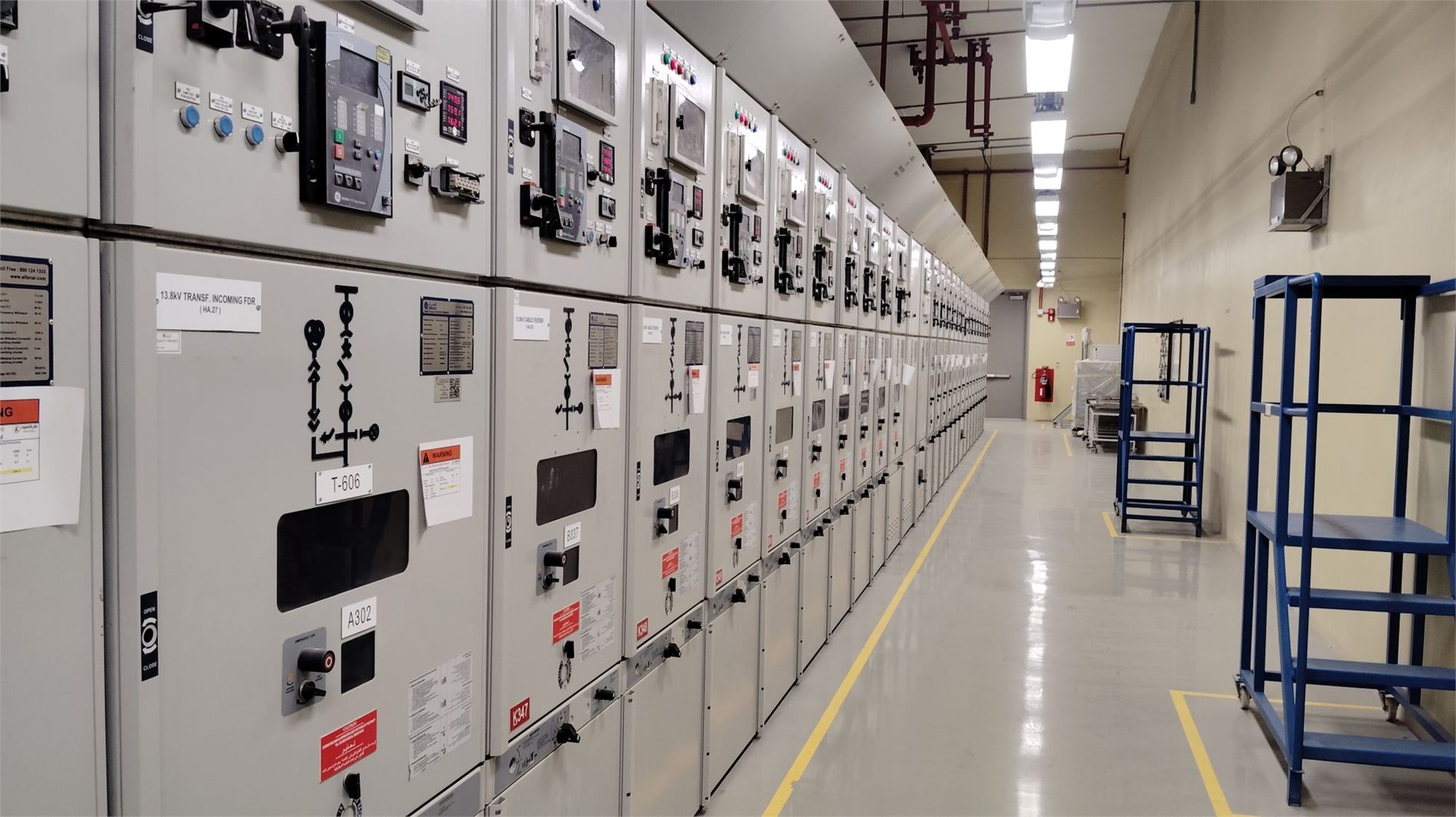
- Capacity PlanningMatch system decisions to documented loads and future needs.
- Clear DistributionOrganize services, feeders, panels, and equipment connections.
- Facility CoordinationAccount for access, phasing, shutdowns, and occupied spaces.
- Code-Conscious WorkInstall to approved plans and applicable requirements.
From Utility Service To Equipment
Distribution Planned as a Complete System
Power distribution systems carry energy through a facility's service equipment, switchgear, transformers, feeders, panels, disconnects, and branch circuits. When a building expands, changes use, adds machinery, or replaces aging infrastructure, each part must be evaluated in relation to available capacity, fault-current and protection requirements, physical space, and downstream loads.
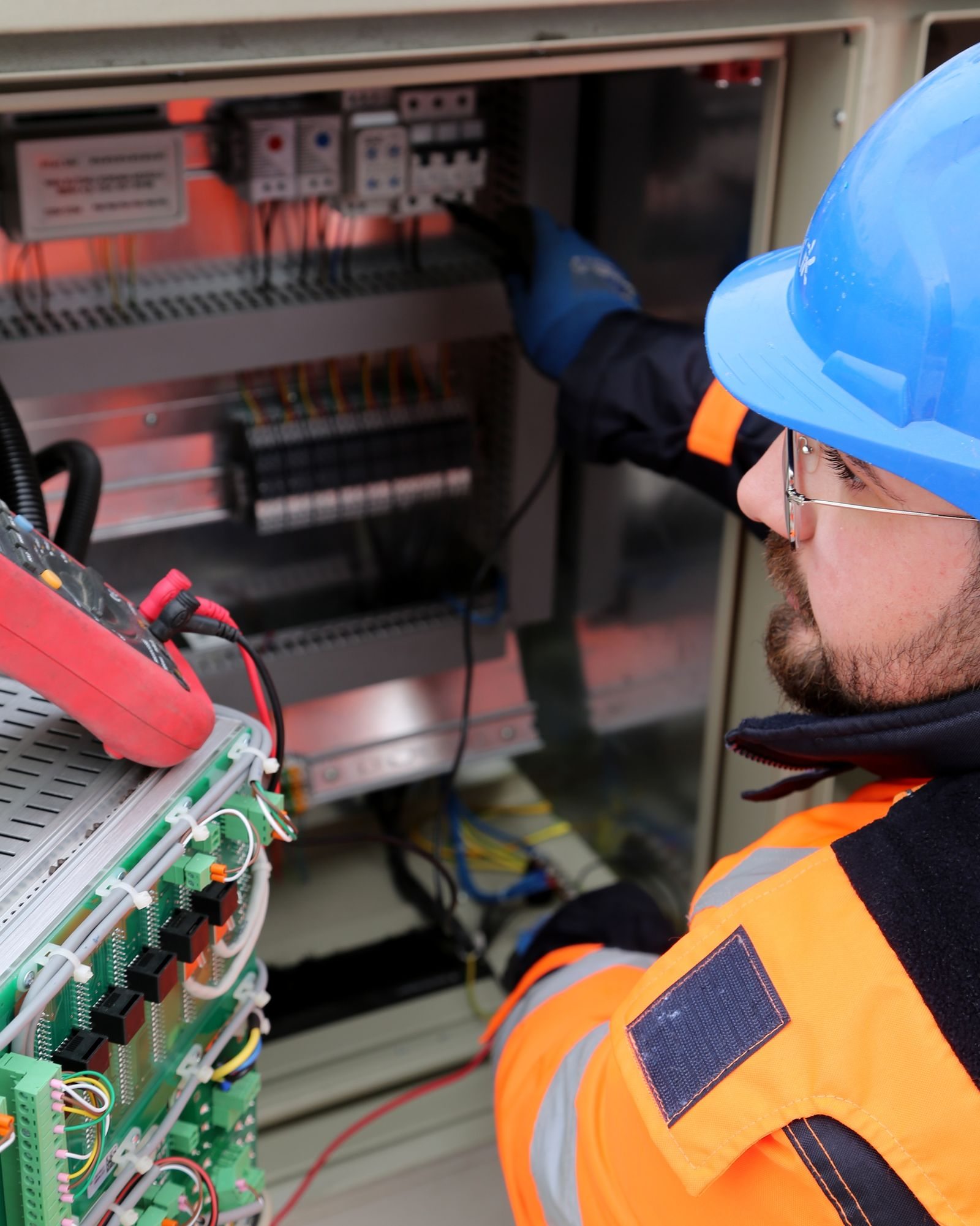
Blackout Electric supports commercial and industrial distribution projects with field review, installation planning, equipment coordination, and construction. We work from the approved design and project requirements, while communicating field conditions that can affect routing, clearances, shutdowns, procurement, and commissioning.
- Electrical services, switchgear, transformers, feeders, and panels
- Distribution upgrades for renovations, additions, and new equipment
- Disconnects, branch circuits, equipment connections, and labeling
- Planned shutdowns, temporary conditions, and phased cutovers
- Coordination with engineers, utilities, inspectors, and facility teams
Capacity, Continuity, And Clarity
Why Distribution Decisions Matter
Distribution equipment is a long-lived part of the building, and changes can affect many downstream systems. A poorly coordinated upgrade may create access problems, unexpected outages, equipment conflicts, or insufficient room for the intended installation.
Planning power distribution systems at the facility level helps owners understand current constraints, required interfaces, and reasonable allowances for future loads before installation begins.
Distribution Project Stages
A Deliberate Path From Review to Energization
- 01Document
Collect drawings, load information, equipment data, utility details, and observations from the existing facility.
- 02Coordinate
Confirm design responsibilities, gear requirements, routing, clearances, procurement, outages, and project phasing.
- 03Construct
Install the defined distribution scope and communicate field discoveries through the approved project process.
- 04Energize
Complete applicable inspections, testing, labeling, documentation, and coordinated startup or cutover activities.
Facility Power Questions
Power Distribution FAQs
Answers below are general planning guidance. Engineering, utility, permitting, equipment, and site requirements determine the final design and installation scope. Early equipment schedules and realistic delivery information are valuable because switchboards, transformers, and other major components can shape both the construction sequence and temporary conditions needed at the facility.
What equipment is part of a commercial distribution system?
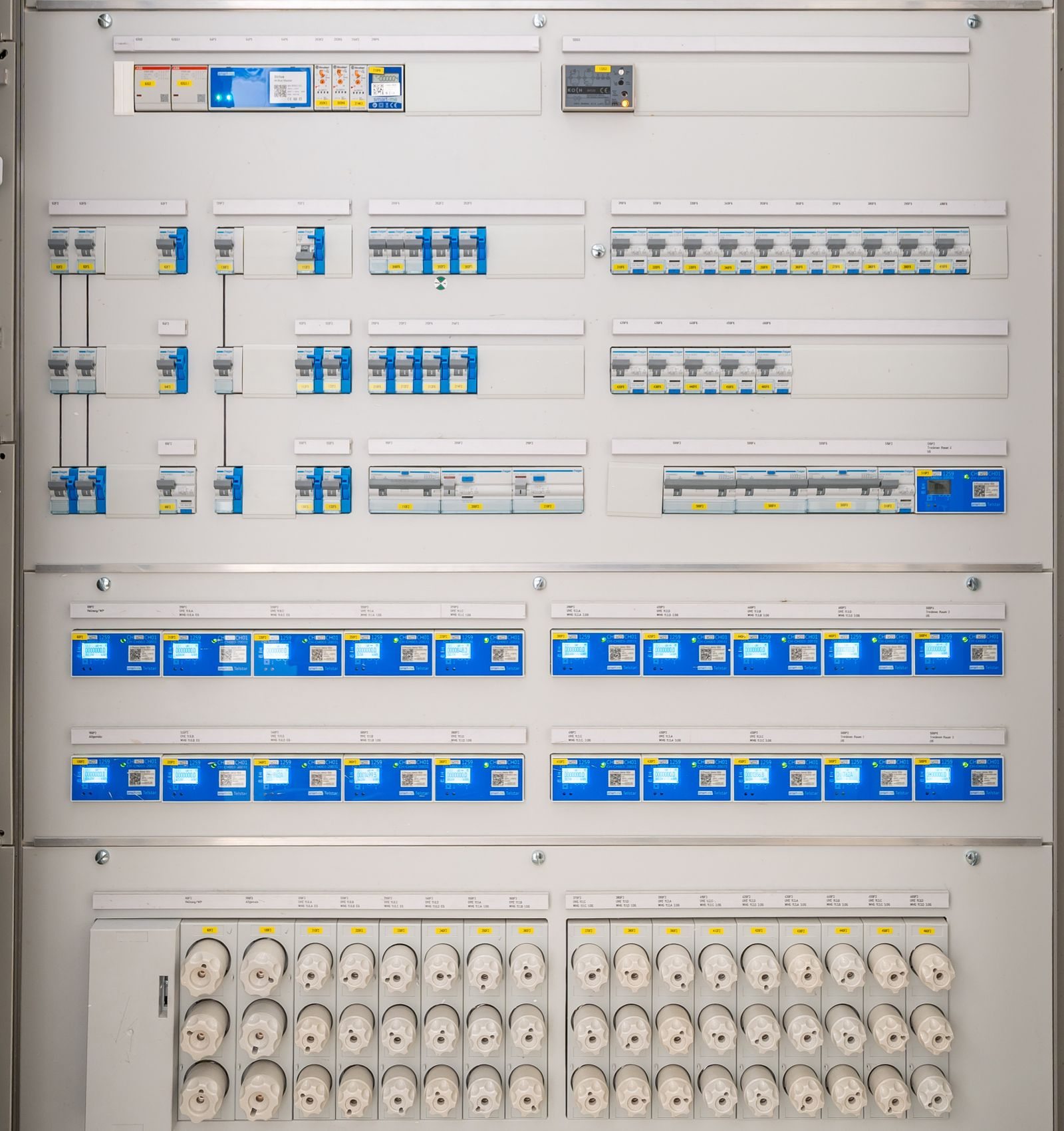
A facility may use service equipment, switchboards or switchgear, transformers, feeders, panelboards, disconnects, overcurrent protection, metering, and branch circuits. The exact arrangement depends on utility service, building type, loads, design criteria, and applicable codes. We review the project documents before defining our construction scope.
How do I know whether my facility has enough electrical capacity?
Capacity cannot be confirmed from panel labels alone. A qualified review may consider service ratings, conductor and equipment limits, existing and proposed loads, demand factors, measured data, available fault current, and utility conditions. An engineer or utility may need to perform or approve portions of that evaluation.
Can distribution upgrades be completed in an occupied building?
Many upgrades can be phased, but the approach depends on the existing system, access, critical loads, shutdown tolerance, and temporary-power needs. Early site investigation is essential. We coordinate the construction sequence with the owner, design team, utility, and other parties involved in approvals or operations.
Who selects and specifies the electrical gear?
Responsibilities vary by project. Equipment may be specified by the electrical engineer, selected through a design-build process, or constrained by utility requirements and existing infrastructure. Blackout Electric can provide constructability and procurement input, but final selections must follow the agreed design and approval process.
Do you install commercial distribution systems in Vancouver?
Yes. Blackout Electric evaluates power distribution systems in Vancouver, Clark County, and nearby Southwest Washington communities for commercial and industrial facilities. Send current one-lines or plans, load information, site address, outage constraints, and target dates so we can understand the request.
Prepare For The Next Load
Start Your Facility Power Review
Planning new equipment, a renovation, or a service upgrade? Share your drawings, load data, facility conditions, and schedule so we can evaluate the distribution scope.