


Whole Home Generator: 5 Smart Planning Tips
Understand how standby power keeps your home running through an outage.

A whole home generator is a permanently installed standby power system designed to supply selected household loads during a utility outage. The right system depends on what must stay on, the equipment starting loads, available fuel, and the electrical installation—not just the size of the house.
In today's rapidly advancing world, power outages are more than just inconvenient. They can disrupt our daily routines, affect our comfort, and even compromise our safety. This makes a reliable backup power source essential for modern living.
Enter the whole home generator, a robust solution designed to ensure that your entire household continues to function seamlessly during electrical interruptions. These systems offer a level of reliability and peace of mind that is unmatched by other forms of backup power.
But what exactly is a whole home generator, and how does it distinguish itself from other options like portable generators? Let's delve deeper to uncover what sets it apart.
What is a Whole Home Generator?
A whole home generator, also known as a standby generator or whole house generator, is a sophisticated backup power system permanently installed outside your home. Similar in appearance to a central air conditioning unit, it is engineered to deliver power to your entire house whenever there is an outage.
This means that all your essential appliances and systems can continue to operate without interruption. Unlike portable generators, which require manual setup and handling, whole home generators offer an automated solution that activates as soon as a power loss is detected, providing a seamless transition of power.
How a Whole Home Generator Works
The core of a whole home generator system is comprised of two main components: the generator unit itself and a transfer switch. Typically, the generator is powered by natural gas or propane, both of which are more convenient and efficient for long-term use than gasoline, which would require frequent refueling and handling.
When the main power supply fails, the transfer switch plays a crucial role by automatically detecting the outage. It then signals the generator to start, which usually takes just a few seconds.
Once the generator is operational, the transfer switch disconnects your home from the utility grid and connects it to the generator. This ensures a seamless supply of power to your home, covering everything from lighting to HVAC systems.
When the utility power is restored, the transfer switch automatically reverts your home back to the main power supply, and the generator shuts down, ready for the next outage.
Key Benefits of Whole Home Generators
Whole home generators offer a multitude of benefits, making them a preferred choice among homeowners who prioritize energy security. These advantages extend beyond mere convenience and address several critical needs in modern households.
Uninterrupted Power Supply
One of the standout features of a whole home generator is its ability to provide an uninterrupted power supply. This automation means you remain undisturbed during a power outage, as the system handles everything without requiring any manual intervention.
This is especially crucial for homes that depend on continuous power for medical equipment, home-based businesses, or those situated in regions with frequent power disruptions. The peace of mind this offers is invaluable.
Whole Home Coverage
Unlike portable generators, which are limited in capacity and can only power select appliances, a whole home generator is designed to supply electricity to your entire residence.
This means that you can maintain all your household functions, from keeping the lights and HVAC systems running to preserving food in your refrigerator and continuing to enjoy your entertainment systems.
Increased Property Value
Investing in a whole home generator can significantly increase the value of your property. Potential buyers often view this as a desirable feature, especially in areas where the power supply is unreliable.
It represents a level of preparedness and foresight that adds to the overall appeal and marketability of a home.
Enhanced Safety
Whole home generators address many of the safety concerns associated with portable generators, such as the risk of carbon monoxide poisoning from improper ventilation.
Being permanently installed outside your home and connected to your existing gas lines, they eliminate the need for fuel handling or moving equipment around. This ensures a safer and more convenient operation, particularly during adverse weather conditions when setting up a portable unit might be hazardous.
Whole Home Generators vs Portable Generators
While both whole home generators and portable generators aim to provide backup power, they cater to different needs and circumstances. Understanding the distinctions between them is essential for making an informed choice.
Installation: Whole home generators require professional installation due to their permanent connection to your home's electrical system and gas lines. Portable generators offer greater flexibility but require manual setup and operation.
Power Capacity: Whole home generators can power an entire home, while portable generators are limited to just a few essential devices.
Cost Considerations: Whole home generators involve a higher upfront investment, but the long-term benefits and convenience often outweigh the expense. Portable generators are cheaper initially but may lack reliability and coverage.
Choosing the Right Whole Home Generator
Selecting the most suitable whole home generator requires careful consideration of various factors such as power needs, fuel preferences, and financial constraints.
Assess Your Power Needs
Begin by determining the wattage requirements of the essential appliances and systems you wish to power during an outage. Consulting with a professional electrician can provide accuracy in your calculations.Select Fuel Type
Decide between natural gas or propane. Natural gas offers continuous operation without refueling, while propane is a strong alternative in areas without gas service.Establish a Budget
Evaluate your budget for both the generator purchase and its installation. Weigh the upfront costs against long-term security and reliability.Ensure Professional Installation
Always hire a qualified professional to guarantee compliance with codes, safety, and efficiency.
Maintenance Tips for Whole Home Generators
To maintain the efficiency and reliability of your whole home generator, regular maintenance is crucial.
Regular Testing: Periodically test your generator to confirm it's working properly. Many units have self-test features.
Scheduled Servicing: Follow the manufacturer's service guidelines, including oil changes, filter replacements, and inspections.
Keep It Clean: Maintain a debris-free area around the generator for proper airflow and cooling.
Conclusion
In conclusion, a whole home generator is an excellent investment for homeowners who value uninterrupted power and convenience during outages.
It provides peace of mind and ensures that your home remains functional, safe, and comfortable, regardless of the external power situation. By understanding its benefits and differences from portable generators, you can make an informed decision that best meets your needs and preferences.
A whole home generator is not just a backup power source; it's a strategic enhancement to your home's resilience and value.
What size whole home generator do you need?
Start by separating must-have loads from optional loads. A refrigerator, essential lighting, a furnace blower, or a well pump may matter more during an outage than an electric range or EV charger. Equipment with motors can have starting requirements above its normal running demand, so a list of appliance wattages is a starting point rather than a final design.
Generac's home generator sizing tool considers heating type, backup priorities, and simultaneous use. A contractor still needs to evaluate the actual equipment and installation. Two houses with similar floor plans can require different systems if one uses electric heating and the other does not.
Whole-home coverage versus essential circuits
Essential-circuit backup limits the supplied loads to a defined group. A broader system may supply more circuits while using load management to prevent selected appliances from running at the same time. Ask exactly which loads the proposal covers. The phrase “whole home” should not be treated as a promise that every large appliance can operate simultaneously.
What does the transfer switch do?
The transfer equipment selects the approved power source for the backed-up circuits and prevents an improper connection between utility power and generator power. Its rating and arrangement are part of the system design. A generator must never be connected to a household receptacle to feed a home; arrange an approved installation with an electrical contractor.
What should a generator installation estimate include?
- Generator model, output rating, and the loads included in the plan.
- Transfer equipment, load management, and any necessary panel work.
- Equipment location, mounting, cable route, and site preparation.
- Fuel supply work and responsibility for coordinating it.
- Permits, inspection, startup testing, and owner orientation.
- Maintenance requirements and what the quoted warranty covers.
Location, fuel supply, electrical layout, and access can change the installed cost substantially. Ask for an itemized site-specific estimate instead of choosing a system from a generic price range. Provide information about future loads too, such as a heat pump or EV charger, so the initial discussion includes those plans.
Does a standby generator replace every other backup measure?
No. Startup and transfer take time, and the system depends on fuel and maintenance. Devices that cannot tolerate an interruption may need a separate backup arrangement appropriate to that equipment. For a Vancouver, WA project, review our backup generator installation service and request an on-site evaluation.
5 essential whole home generator planning checks
- List the circuits that must operate during an outage.
- Document heating equipment, pumps, and other motor starting loads.
- Confirm the fuel source and installation location with the project team.
- Compare transfer equipment and load management options in the proposal.
- Plan for testing, routine service, and the equipment that needs uninterrupted backup.
Good advice. Expert electrical work.
Connect with Blackout Electric for your home or business.
Keep exploring
All articles
LED Lighting Savings: 5 Essential Cost Factors
Explore the upfront costs, energy use, and long-term savings of LED lighting.
Read article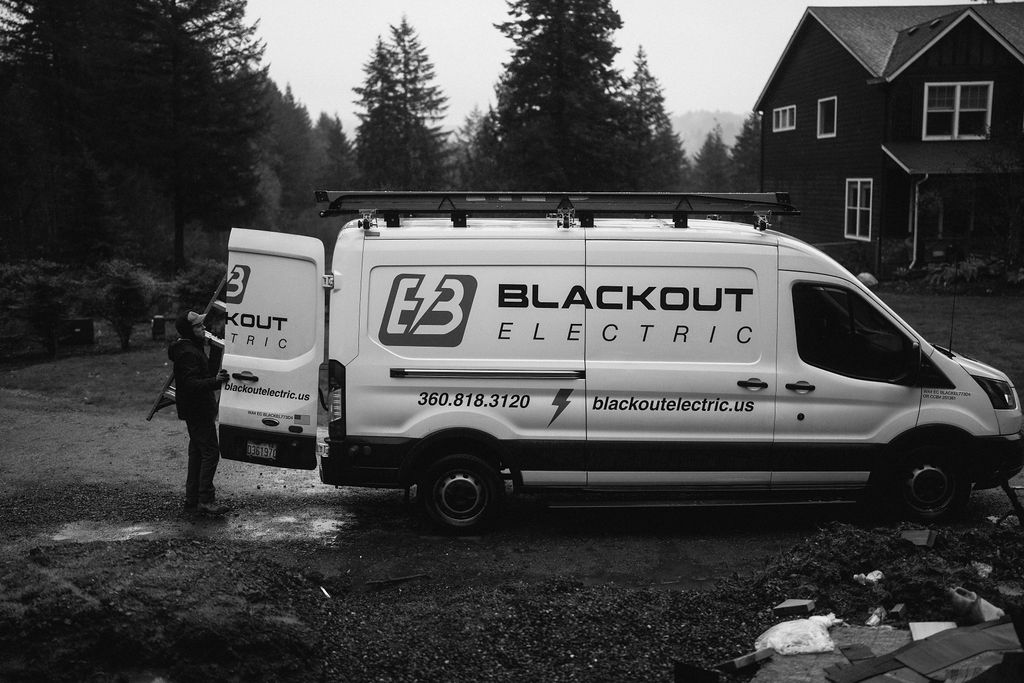
Electrical Companies in Vancouver: 5 Smart Hiring Tips
A local guide to choosing an electrical contractor for your next project.
Read article
Why Is My Electric Bill So High? 5 Smart Checks
Find common sources of high energy use and opportunities to lower your bill.
Read article
Leave a Reply